Janoshik-Certified
Every Batch Third-Party Tested
Latest COAs Available
Research Grade Purity
Research Use Only
Janoshik-Certified
Every Batch Third-Party Tested
Latest COAs Available
Research Grade Purity
Research Use Only
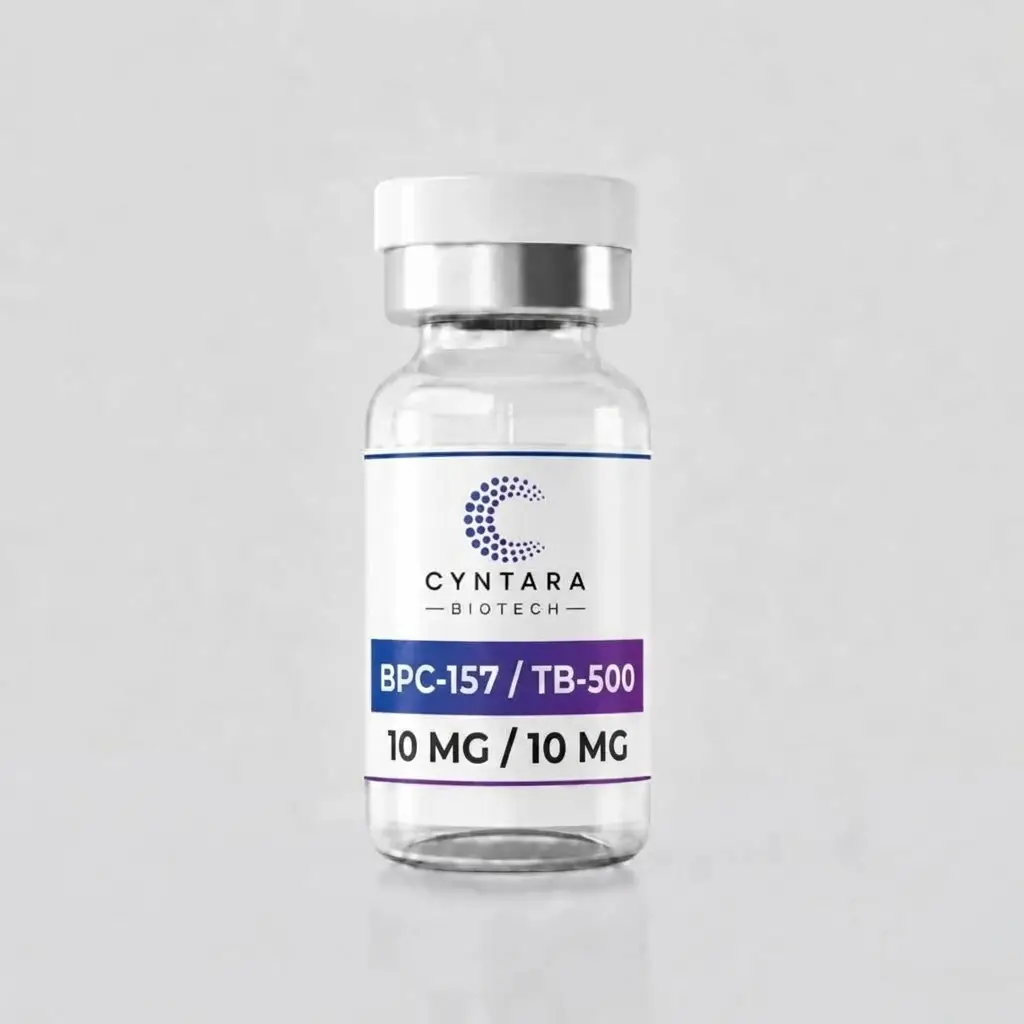
RM280.00
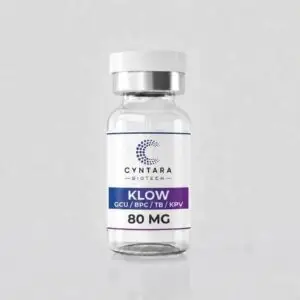
A synergistic regenerative peptide blend combining BPC-157 and TB-500 for tissue repair research.
In stock — ships from Malaysia
Research described here was conducted on the individual peptides, not on this blend. Provided as scientific background only.
BPC-157 and TB-500 are combined because their mechanisms address different stages of tissue repair. One is associated with establishing blood supply and connective tissue; the other with mobilising cells toward the site of injury. On paper the two do not overlap, which is the basis for supplying them together. The blend is commonly referred to as the “Wolverine Stack”.
This remains a hypothesis. It has not been tested in a published study, and complementary mechanisms do not by themselves demonstrate a combined effect. Commentary discussing the rationale and its limits: The Synergistic Potential of a BPC-157 and TB-500 Peptide Blend: Speculative Roles (commentary, not peer-reviewed).
Tendon, ligament, muscle and skin repair reported for BPC-157 in animal models.
Formation of new blood vessels reported for both peptides in preclinical work.
Actin-mediated cell migration and progenitor cell recruitment reported for thymosin β4.
Reported for the BPC-157 component in rodent models of gastric and intestinal injury.
Wound contraction and re-epithelialisation reported for thymosin β4.
The proposal that the two peptides reinforce one another rests on their pathways being complementary. No study has tested the combination.
Lab & Animal Studies — laboratory or animal studies onlyMechanistic Hypothesis — proposed on mechanism, not tested
BPC-157 — Gly-Glu-Pro-Pro-Pro-Gly-Lys-Pro-Ala-Asp-Asp-Ala-Gly-Leu-Val15-amino-acid pentadecapeptide derived from a sequence in human gastric juice.TB-500 — synthetic fragment of thymosin β4 (43 amino acids)Includes the actin-binding domain of the parent protein.
View the full research library →
I agree to the above and confirm I am 21 years of age or older.
Your access is restricted because of your age.